Lead Generation: Complete Guide to Intent-Based Strategies and Tactics
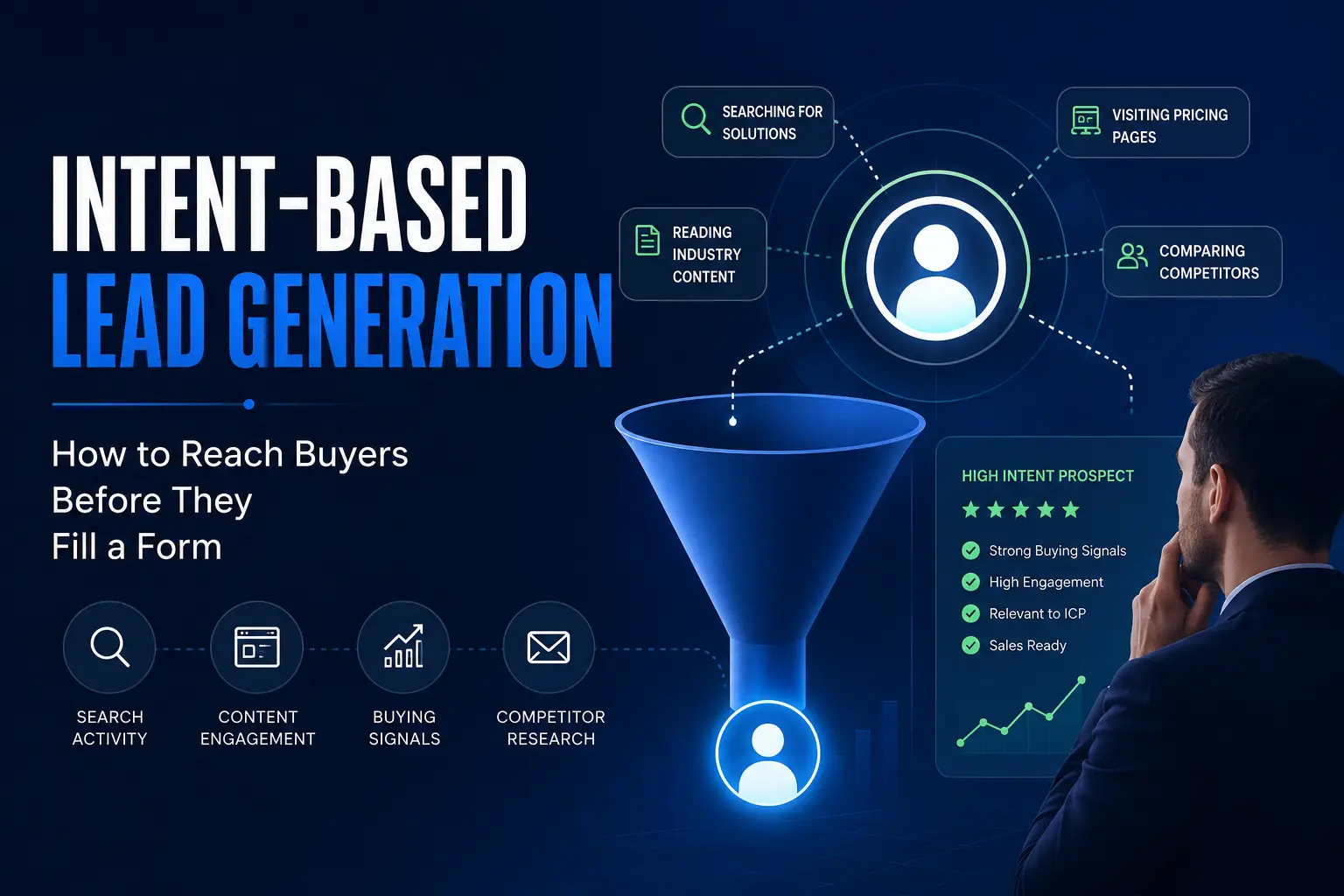
Intent-Based Lead Generation: How to Reach Buyers Before They Fill a Form
Intent-based lead generation represents one of the most significant paradigm shifts in modern marketing. Rather than waiting passively for prospects to discover your business and complete a form, intent-based approaches enable you to identify and engage with potential customers at the precise moment they’re actively signalling buying intent. This transformative methodology has become essential for organisations seeking to accelerate growth, improve conversion rates, and build meaningful customer relationships in an increasingly competitive digital landscape.
Understanding Lead Generation and Intent-Based Approaches
Lead Generation Definition and Core Principles
Lead generation, at its core, is the process of identifying and attracting potential customers who have demonstrated interest in your product or service. Traditionally, this meant creating marketing campaigns designed to encourage prospects to voluntarily share their contact information—typically through form submissions on landing pages, webinar registrations, or content download gates.
However, the modern definition of lead generation has evolved dramatically. Today’s organisations recognise that the most valuable leads aren’t necessarily those who’ve already decided to engage with your company on your terms. Instead, the highest-value leads are those displaying active buying intent signals across multiple digital touchpoints—before they’ve consciously entered your sales funnel.
This evolution from reactive to proactive lead generation stems from fundamental changes in buyer behaviour. Contemporary prospects conduct extensive research independently, consuming content across multiple channels, engaging with competitors, and evaluating solutions long before they’re ready to speak with a sales representative. By the time a prospect reaches a traditional form submission point, they’ve already progressed significantly through their evaluation journey—and you’ve potentially missed critical engagement opportunities.
Intent-based lead generation capitalises on psychological and behavioural principles that reveal genuine buying interest. These signals include website navigation patterns, content consumption duration, search queries, email engagement metrics, social media interactions, and explicit actions like downloading resources or attending webinars. By identifying these intent markers early, organisations can engage prospects with precisely calibrated messaging that addresses their specific needs at exactly the right moment.
The psychological foundation of intent-based approaches recognises that buyer behaviour follows predictable patterns. When someone searches for solutions to a specific problem, visits competitor websites, or engages with educational content about your industry, they’re signalling readiness to explore options. This is fundamentally different from general awareness-stage interest. Intent-based strategies recognise and act upon these signals immediately, before prospects have time to engage with competitors or lose momentum.
Modern B2B and B2C strategies increasingly leverage intent data to shape customer acquisition approaches. B2B organisations use account-based marketing to target high-value prospects showing intent signals across their company’s digital ecosystem. B2C companies employ real-time personalisation and AI-powered recommendations based on browsing and purchase intent behaviour. This data-driven orientation transforms lead generation from an art into a measurable science, with clear cause-and-effect relationships between identified intent and conversion outcomes.
The Shift from Form-First to Intent-First Strategies
For decades, web forms represented the default mechanism for lead capture. As digital marketing emerged in the 1990s and 2000s, forms offered an elegant solution to a fundamental challenge: how could organisations collect prospect information for sales follow-up? Forms were simple to implement, easy to track, and provided a clear conversion metric. Marketing teams optimised around form completion rates, and sales teams built processes around form submissions.
This form-first paradigm made sense in an era when digital research capabilities were limited. Prospects often needed to submit their information to access valuable content or get sales assistance. Forms represented a fair exchange: contact details in return for resources or information. However, this approach contained inherent limitations that became increasingly problematic as digital consumer sophistication accelerated.
The fundamental limitation of form-first strategies is friction. Every form field represents a psychological barrier to completion. Modern prospects, particularly in competitive markets like Singapore where digital alternatives abound, increasingly resist form submission. They recognise that sharing personal information often triggers aggressive sales outreach, spam email sequences, or unwanted phone calls. This friction directly reduces conversion rates, particularly among early-stage prospects who aren’t yet actively seeking sales engagement.
Furthermore, form-first approaches create engagement timing problems. By definition, a prospect completing a form has already decided to formally engage with your organisation. You’ve missed the opportunity to influence their decision-making during the critical exploration phase. They may have already evaluated competitors, formed preliminary preferences, or progressed too far in their buying journey for early-stage nurturing to be effective.
Intent-first strategies fundamentally reverse this dynamic. Rather than waiting for prospects to overcome friction and submit forms, intent-based approaches enable organisations to identify qualified prospects through behavioural analysis and real-time engagement. A prospect visiting your product pricing page, downloading a competitive comparison guide, or spending extended time on solution-specific content is demonstrating clear intent. Why wait for a form submission when you can engage immediately through chat, email, or personalised content recommendations?
Real-world case studies demonstrate the dramatic difference this makes. Consider a B2B SaaS company that previously relied on form submissions as their primary lead capture mechanism. By implementing an intent-based approach combining website behaviour tracking, real-time chat engagement, and AI-powered lead scoring, they identified qualified prospects an average of 12 days earlier in the buying cycle. This earlier engagement enabled their sales team to shape the prospect’s decision-making process, resulting in a 34% improvement in win rates.
Statistical evidence increasingly supports intent-based methodologies across diverse markets. Research indicates that organisations implementing intent-based lead generation strategies experience 25-40% improvements in lead quality, 20-30% reductions in sales cycle length, and 15-25% improvements in overall conversion rates compared to traditional form-based approaches. In Asia-Pacific markets including Singapore, where digital maturity and competitive intensity are particularly high, these benefits prove even more pronounced.
Intent Signals in the Buyer’s Journey
Understanding the spectrum of intent signals represents the foundation of effective intent-based lead generation. Intent signals exist along a continuum from implicit to explicit, and from early-stage to late-stage buying signals.
Early-stage intent indicators include patterns suggesting initial problem awareness or solution exploration. A prospect conducting searches around industry challenges, visiting educational content about emerging trends, or browsing your company’s “about us” page is demonstrating early intent. These signals suggest someone is beginning to recognise a need or explore potential solutions, but hasn’t yet fully committed to evaluation or purchasing.
Mid-stage intent signals become more explicit. Website visits to product-specific pages, engagement with pricing information, attendance at webinars or product demonstrations, and sustained engagement with nurture content all indicate that a prospect has progressed to active evaluation. They’ve moved from problem recognition to solution exploration, and their behaviour reflects this transition.
Late-stage intent signals often appear just before formal sales engagement. Prospects requesting demos, asking specific pricing questions, comparing your solution with competitors, or downloading implementation guides are demonstrating high-intent behaviour. These signals typically indicate readiness for sales conversation and represent the highest-probability conversion opportunities.
Behavioural intent signals differ from explicit signals in important ways. Behavioural signals emerge from aggregated actions—website visits, email engagement, content downloads, time spent on specific pages—that collectively indicate intent. These signals often appear subconsciously; a prospect may not deliberately be signalling buying intent, but their cumulative actions reveal underlying motivation.
Explicit intent markers, by contrast, are deliberate actions where prospects consciously signal interest. Form submissions, demo requests, email inquiries, and webinar registrations represent explicit intent. These conscious actions typically carry higher confidence in genuine interest, though not necessarily higher conversion probability than well-interpreted behavioural signals.
The convergence of first-party, zero-party, and privacy-compliant intent tracking has transformed what organisations can ethically and legally capture. First-party data—information you collect directly through website interactions, forms, and CRM entries—provides behaviour insight. Zero-party data—information prospects voluntarily share through preference centres, surveys, and explicit communications—reveals authentic intent and interests. Privacy-compliant tracking respects regulations like Singapore’s Personal Data Protection Act while still enabling effective intent identification.
Singapore’s diverse business sectors demonstrate distinct intent patterns. E-commerce prospects show clear intent through product browsing, cart abandonment, and price comparison activity. B2B enterprise technology buyers reveal intent through whitepaper downloads, solution-specific page visits, and industry event attendance. Financial services prospects demonstrate intent through insurance calculator usage, comparison tool engagement, and regulatory content consumption. Understanding industry-specific patterns enables precise intent interpretation and targeted engagement.
Mapping intent to sales-ready opportunities requires connecting intent signals to lead qualification criteria. A prospect visiting your product pricing page multiple times might represent high-intent, but if they work at a company outside your ideal customer profile, they’re not sales-ready. Conversely, a prospect from a perfect-fit company showing moderate intent signals might warrant immediate sales engagement. Effective intent-based strategies combine signal strength with target account fit, firmographic alignment, and budget authority indicators to identify genuinely sales-ready opportunities.
This foundational understanding of intent signals, buyer journey progression, and signal interpretation forms the basis for all subsequent intent-based lead generation activities. By recognising and acting upon these signals appropriately, organisations can engage prospects with remarkable precision and timeliness, fundamentally transforming lead generation effectiveness and business growth outcomes.
Lead Generation Strategy Framework for Intent-Based Campaigns
Building Your Foundational Lead Generation Strategy
Successfully implementing intent-based lead generation begins with establishing a crystal-clear strategic foundation. From working with B2B and B2C organisations across Southeast Asia, I’ve observed that companies without defined objectives and aligned teams consistently underperform those with structured frameworks—regardless of the tools they deploy.
Establishing Clear Lead Generation Objectives and KPIs
Your lead generation strategy must start with explicit, measurable objectives that align directly with business growth targets. Rather than vague goals like “generate more leads,” define specific outcomes: “increase qualified B2B leads by 40% within six months” or “reduce customer acquisition cost from SGD 500 to SGD 350 within Q3.”
These objectives should cascade into specific key performance indicators (KPIs) that you’ll track weekly and monthly. Primary KPIs typically include:
- Lead volume: Total leads generated across all channels
- Lead quality score: Average qualification rating of incoming leads
- Conversion rate: Percentage of leads that convert to opportunities (critical distinction from form submissions)
- Cost per qualified lead: Total marketing spend divided by qualified leads (not all leads)
- Sales acceptance rate: Percentage of marketing-generated leads that sales accepts as legitimate opportunities
- Lead-to-customer conversion: Percentage of leads that ultimately become paying customers
From working with Singapore-based technology firms and professional services companies, I’ve found that organisations tracking all six metrics outperform those tracking only lead volume by 3-4x in ROI. Many businesses obsess over lead quantity whilst ignoring quality metrics—a costly mistake that inflates marketing budgets whilst sales teams spend time on unqualified prospects.
Aligning Marketing and Sales on Lead Definitions
This represents perhaps the single most critical step, yet one that most organisations handle poorly. The disconnect between marketing and sales over what constitutes a “qualified lead” creates massive friction, wasted resources, and misaligned incentives.
I recommend establishing a formal Service Level Agreement (SLA) between marketing and sales that defines:
- Lead definition: What criteria must a prospect meet to be considered a lead (e.g., decision-maker at target company size, budget authority, problem-awareness)?
- Marketing Qualified Lead (MQL): What intent signals and engagement level transforms a prospect into an MQL eligible for nurturing? (e.g., downloaded industry report, attended webinar, visited pricing page)
- Sales Qualified Lead (SQL): What explicit intent signals warrant sales outreach? (e.g., requested demo, submitted specific buying-stage form, engaged in sales conversation)
- Opportunity: What action constitutes a genuine business opportunity ready for sales engagement? (e.g., scheduled discovery call, submitted RFP, approved trial)
The alignment process should involve both teams collaboratively reviewing past successful customers and asking: “What intent signals did this person demonstrate before becoming a customer?” This empirical approach grounds your definitions in actual conversion data rather than assumptions.
Creating a Cohesive Lead Generation Process Workflow
An effective lead generation workflow clearly delineates responsibilities, handoff points, and escalation procedures. I’ve found that organisations using visual workflow diagrams—mapping prospect journey from first touch through customer acquisition—dramatically improve execution consistency.
Your workflow should specify:
- Prospect discovery phase: Which channels identify prospects demonstrating early intent signals? (Content marketing, paid search, LinkedIn outreach, events)
- Engagement phase: How do you capture prospect information whilst respecting privacy and minimising friction? (Progressive profiling, intent-triggered chat, lightweight forms)
- Qualification phase: What explicit assessment criteria determines whether a prospect warrants sales engagement? (Intent scoring, conversation quality, authority verification)
- Handoff protocol: What communication and documentation occurs when a prospect transitions from marketing to sales nurturing?
- Feedback loop: How regularly do sales and marketing review conversions, failed opportunities, and lessons learned?
- Optimisation cycle: What data informs monthly/quarterly workflow refinements?
From my experience with lead generation platforms like MediaOne and others, organisations implementing formal workflows see 35-50% improvements in sales team productivity because they eliminate ambiguity about which prospects warrant attention.
Resource Allocation Across Multiple Channels
Intent-based lead generation rarely succeeds with single-channel approaches. Rather, you’ll allocate resources across complementary channels based on your target audience’s behaviour and preferences.
For B2B organisations in Singapore, typical resource allocation might resemble:
- Content marketing/SEO (30-35%): Attracting prospects at awareness stage through problem-related searches
- Paid search and programmatic display (25-30%): Capturing high-intent prospects actively researching solutions
- LinkedIn and professional networks (15-20%): Account-based outreach and multi-stakeholder engagement
- Email marketing automation (10-15%): Nurturing engaged prospects toward sales-ready status
- Events and partnerships (10-15%): Building relationships and capturing qualified prospects in-person or through partnerships
These percentages vary significantly based on your industry, buyer behaviour, and competitive dynamics. Professional services firms might weight LinkedIn higher (40%+), whilst B2C e-commerce companies allocate substantially more to paid search and social. The key principle: allocate resources proportionally to where your target prospects actually demonstrate intent.
Timeline and Phasing for Implementation
Intent-based lead generation implementation requires thoughtful phasing rather than simultaneous activation. From working with Singapore enterprises across financial services, technology, and manufacturing sectors, I recommend a three-phase approach spanning 4-6 months:
Phase 1 (Weeks 1-4): Foundation and Assessment
- Conduct intent signal audit: map where prospects currently demonstrate buying signals
- Define lead and opportunity criteria through marketing-sales alignment
- Implement basic intent tracking across website (heatmaps, behavioural analytics)
- Select and configure lead generation software/CRM integration
- Establish baseline metrics and KPI dashboards
Phase 2 (Weeks 5-12): Core Channel Activation
- Launch intent-aligned content strategy (blog posts, whitepapers, case studies optimised for key search terms)
- Activate paid search campaigns targeting high-intent keywords
- Implement progressive profiling and lightweight forms to reduce friction
- Deploy marketing automation for lead nurturing sequences
- Begin A/B testing landing pages and messaging
Phase 3 (Weeks 13-24): Optimisation and Scaling
- Refine lead scoring models based on conversion data
- Expand to secondary channels (LinkedIn ABM, events, partnerships) based on performance
- Implement AI-powered chat or real-time engagement tools
- Develop industry-specific intent frameworks for targeting
- Scale highest-performing channels whilst optimising underperformers
This phased approach allows teams time to build competency, establish measurement systems, and make data-driven decisions about where to invest additional resources. Singapore-based businesses often benefit from this pacing because it permits stakeholder buy-in and allows marketing teams to develop new skill sets without overwhelming existing capacity.
Qualified Leads Identification and Buyer Persona Matching
Defining What Constitutes a “Qualified Lead” for Your Business
The definition of a qualified lead remains frustratingly ambiguous across many organisations, yet clarity here directly impacts marketing efficiency and sales productivity. A qualified lead isn’t simply someone who filled out a form—it’s a prospect who demonstrates both the intent to solve a problem and the ability to make purchasing decisions.
Your qualified lead criteria should address four fundamental dimensions:
Fit criteria (does this prospect match your ideal customer profile?):
- Company size, industry, location, revenue range (confirmed through LinkedIn, Crunchbase, or direct research)
- Technology stack or business process compatibility with your solution
- Geographic presence in your served markets (Singapore, specific Southeast Asian territories)
Authority criteria (does this person have purchasing influence?):
- Job title and level indicating decision-making authority
- Reporting relationship to budget holders or procurement
- Demonstrated engagement suggesting business-relevant interest (not general research)
Intent criteria (does this prospect demonstrate active problem-solving intent?):
- Explicit interest in solutions addressing their identified problem
- Content consumption patterns indicating problem-awareness progression
- Engagement depth suggesting serious exploration rather than casual browsing
- Recent activity indicating urgency (time-sensitive searches, pricing queries, competitive evaluation)
Need criteria (does this prospect have business justification for purchasing?):
- Identified problem aligned with your solution’s core value proposition
- Mentioned budget availability or purchasing timeline
- Recent business events (funding, expansion, leadership change) creating urgency
I’ve worked with technology firms in Singapore’s fintech sector where prospects matching all four criteria converted at 8-12x rates compared to prospects meeting only fit criteria. This disparity justified investing heavily in qualification processes that might initially seem time-consuming.
Developing Detailed Buyer Personas with Intent-Based Characteristics
Traditional buyer personas describe demographic and psychographic characteristics. Intent-based personas additionally map the specific signals indicating buying progression. Rather than simply noting “Procurement Manager, enterprise manufacturing company,” your intent-based persona describes:
Signal progression for this persona:
- Early awareness: searches for “supply chain visibility,” “procurement automation,” reads industry benchmarks about manual process inefficiency
- Mid-stage consideration: compares 3-4 specific solutions, downloads comparison matrices, watches demo videos, requests case studies from similar-sized companies
- Late-stage decision: requests custom demos, asks specific implementation questions, engages in pricing discussions, seeks legal review of contracts
Creating these intent-based personas requires analysing your existing customer base—particularly your highest-value customers. Working backwards from closed deals, identify:
- Which digital signals appeared in their customer journey? (search terms, content consumed, features researched, objections raised)
- When did these signals appear relative to purchase? (how much lead time before conversion?)
- Which signals most strongly predicted conversion? (strongest correlation to deal closure)
For Singapore-based B2B companies, this analysis typically reveals 3-5 distinct buyer personas, each with unique intent signal patterns. A manufacturing company’s operations director demonstrates different intent signals than their CFO evaluating ROI. Both must ultimately approve the purchase, but they research differently, value different information, and respond to different messaging.
Lead Qualification and Scoring Methodologies
Lead scoring bridges the gap between raw prospect data and sales-ready opportunities. An effective scoring system quantifies the likelihood that a prospect will convert, allowing your team to prioritise attention on highest-probability prospects.
Two primary scoring approaches exist:
Explicit scoring assigns points based on prospect attributes:
- Company size matches ideal customer profile: +20 points
- Prospect is decision-maker or influencer: +25 points
- Engaged with pricing content in past 30 days: +15 points
- Downloaded case study in target industry: +10 points
Implicit scoring assigns points based on behavioural engagement:
- Visited solution page: +5 points (each visit)
- Downloaded resource: +10 points
- Attended webinar: +15 points
- Clicked email link: +3 points
- Spent 2+ minutes on website: +5 points
Most effective systems combine both approaches. A prospect scoring 85+ points (combining explicit fit criteria and implicit engagement indicators) warrants sales outreach. Prospects scoring 50-85 merit continued nurturing. Prospects below 50 receive broader content campaigns.
I recommend implementing sophisticated lead scoring in your CRM or marketing automation platform rather than manual processes. These tools track behaviour automatically, update scores in real-time, and alert sales teams when prospects reach sales-ready thresholds. Singapore-based B2B companies using automated scoring typically respond to sales-ready leads within 4 hours—a critical competitive factor since prospects simultaneously evaluating multiple solutions often purchase from the first vendor to engage meaningfully.
Matching Prospect Behaviour to Persona Attributes
The final step involves mapping actual prospect behaviour back to your defined personas. When a prospect demonstrates a specific sequence of intent signals, which persona does that pattern match? This matching informs:
- Messaging personalisation: Different personas respond to different value propositions, languages, and proof points
- Content recommendations: Different personas benefit from different resources based on their information needs
- Sales positioning: Sales teams approach different personas with different conversation starters and objection handling
- Timeline expectations: Different personas typically have different sales cycle lengths
For example, a “Technical Evaluator” persona in a software firm typically demonstrates this progression:
- Searches for technical specifications and API documentation
- Downloads technical white papers and architecture diagrams
- Requests POC (proof of concept) with sandbox environment
- Engages sales on integration complexity and system requirements
- Seeks technical references (conversations with existing customers’ IT teams)
This persona requires entirely different engagement than a “Business Executive” persona:
- Reads case studies focused on business outcomes (revenue, efficiency gains)
- Watches demo videos emphasising user adoption and support
- Requests economic analysis and ROI calculators
- Seeks executive references (conversations with existing customers’ leadership)
- Requires contract review and legal discussions before commitment
Matching behaviour to persona allows marketing and sales to speak directly to each stakeholder’s unique information needs and concerns.
B2B Versus B2C Lead Generation Differences in Intent Recognition
Intent signals differ substantially between B2B and B2C contexts, requiring different qualification criteria and engagement approaches.
B2B intent signals typically indicate:
- Problem-solving intent (specific to business operations or revenue growth)
- Group decision-making (multiple stakeholders must be convinced)
- Longer sales cycles (weeks to months for evaluation)
- Emphasis on provable ROI and business justification
- Conservative risk assessment (multiple reference checks, security audits, implementation timelines)
B2B intent qualification emphasises stakeholder identification and consensus-building. A single enthusiastic evaluator represents insufficient intent unless that person can convince procurement, finance, and operational stakeholders.
B2C intent signals typically indicate:
- Personal benefit or lifestyle improvement (individual consumer problem)
- Individual purchasing authority (single decision-maker)
- Shorter consideration periods (hours to days)
- Emphasis on benefits, convenience, and immediate value
- Lower risk assessment (return policies, trial periods)
B2C intent qualification emphasises conversion probability and purchase readiness. Because B2C purchases involve single decision-makers with lower purchase barriers, your qualification criteria can be less stringent than B2B. A B2C prospect demonstrating clear product interest and budget capacity warrants immediate conversion-focused engagement.
Local Market Considerations for Singapore Enterprises
Singapore’s unique business environment requires specific consideration:
Market dynamics:
- High concentration of multinational corporations with formal procurement processes (increasing B2B complexity)
- Strong e-commerce adoption and digital consumer behaviour (supporting B2C intent-based approaches)
- Regulatory emphasis on data privacy through PDPA compliance (affecting intent tracking methodologies)
- Competitive intensity across most industries (requiring precise targeting of highest-intent prospects)
Cultural considerations:
- Business culture emphasises relationship-building and personal connections (making LinkedIn engagement and professional networks particularly valuable)
- Decision-making often involves consensus and multiple stakeholder consultation (requiring multi-threaded engagement strategies)
- International business orientation means many Singapore companies evaluate solutions against global alternatives (requiring competitive positioning)
Technical infrastructure:
- High internet penetration and mobile-first behaviour (making digital intent signals particularly reliable)
- Strong adoption of collaboration tools and digital work processes (enabling remote engagement models)
- Data sovereignty concerns for multinational companies (requiring consideration of data storage location)
Singapore-based lead generation strategies should account for these factors. Rather than generic B2B approaches, sophisticated intent-based strategies recognise Singapore’s specific market dynamics and cultural context.
B2B Lead Generation Tactics Specific to Intent
Account-Based Marketing (ABM) for High-Value Targets
Account-Based Marketing represents the most sophisticated B2B intent-based approach, targeting specific high-value accounts rather than broad prospect segments. From my experience with enterprise software companies in Singapore, ABM generates 3-5x higher ROI than traditional lead generation when properly executed—but requires significant precision and coordination.
ABM’s fundamental principle: treat each target account as a unique market. Rather than sending generic messaging to all prospects at “enterprise financial services firms,” ABM identifies your 20-50 most valuable potential accounts and develops customised engagement strategies for each.
Implementing ABM requires three sequential steps:
- Target account selection using explicit criteria:
- Companies where your solution drives highest ROI (typically measured by potential revenue impact)
- Companies with demonstrated intent signals (recent funding, expansion, technology investment announcements)
- Companies where your organisation has relational advantages (existing contacts, industry expertise, solution fit)
For Singapore-based B2B firms, this typically involves identifying multinational corporations’ regional headquarters, rapidly-scaling local tech firms, and established family businesses undertaking digital transformation.
- Stakeholder mapping across each target account:
- Identify all individuals influencing the purchasing decision (typically 5-8 stakeholders across finance, operations, IT, and executive leadership)
- Research each stakeholder’s role, priorities, concerns, and previous solutions they’ve championed
- Determine each stakeholder’s likely position: champion (will advocate for your solution), evaluator (neutral, will assess objectively), blocker (may resist change), or supporter (will help once champion is convinced)
- Customised engagement sequences for each stakeholder:
- Develop messaging addressing each stakeholder’s specific concerns (CFO cares about cost and ROI; CTO cares about technical integration; operations leader cares about implementation disruption)
- Determine optimal contact channel (executive-level prospects often respond better to LinkedIn outreach or direct phone contact than email; technical evaluators prefer webinars and hands-on POCs)
- Coordinate multi-threaded outreach so multiple stakeholders receive relevant messaging simultaneously, rather than forcing all communication through a single contact
ABM particularly suits Singapore’s market because many target companies maintain senior leadership and decision-makers in the region. Direct engagement with C-suite executives and functional heads often proves feasible in ways it might not in larger Western markets.
Industry-Specific Intent Signals in B2B Sectors
Intent signals vary substantially across B2B industries. Financial services companies demonstrate different buying signals than manufacturing firms, which differ from professional services companies. Recognising industry-specific intent signals allows more precise targeting and earlier engagement identification.
Financial Services industry signals:
- Regulatory announcements requiring compliance investments
- Interest rate changes affecting lending products
- Customer attrition rates (indicating service quality problems)
- Fintech competitive threats (triggering digital transformation initiatives)
- Capital adequacy and reserve requirement changes
Prospects from this sector searching for “regulatory compliance automation,” “loan origination modernisation,” or “fraud detection systems” demonstrate strong intent signals.
Manufacturing and Supply Chain signals:
- Supply disruptions or delivery delays
- Customer demand variability increasing inventory complexity
- Labor cost increases driving automation interest
- Environmental/sustainability compliance requirements
- Export market expansion requiring tariff and trade compliance tools
Manufacturing decision-makers researching “supply chain visibility,” “demand forecasting,” or “inventory optimisation” indicate active problem-solving.
Professional Services signals:
- Billable utilisation rate pressure
- Talent scarcity and recruitment challenges
- Project delivery complexity increasing
- Client expectations for digital services expanding
- Margin compression requiring efficiency improvements
Professional services firms exploring “resource management,” “project profitability analysis,” or “time tracking automation” demonstrate clear intent.
Multi-Stakeholder Engagement Strategies
B2B purchasing decisions involve multiple stakeholders with competing priorities. Effective intent-based strategies engage multiple stakeholders simultaneously with customised messaging rather than attempting to convert one champion who then “sells internally.”
Three-pronged multi-threading approach:
- Technical thread (engaging IT/implementation stakeholders):
- Provide detailed technical documentation, API specifications, integration guides
- Offer sandbox environments for technical evaluation
- Facilitate technical conversations with implementation teams
- Address security, compliance, and system integration concerns
- Business thread (engaging business executives/budget holders):
- Emphasise financial impact and ROI quantification
- Provide case studies from similar companies showing measurable results
- Offer ROI calculators and financial modelling tools
- Discuss implementation timeline and change management requirements
- Operational thread (engaging functional stakeholders—operations, finance, HR):
- Address operational impact and adoption requirements
- Discuss training, support, and ongoing vendor management
- Provide reference customers in similar roles
- Discuss operational metrics and KPIs the solution impacts
Effective multi-threading prevents any single stakeholder’s hesitation from stalling a sale. If the CTO expresses concern about system integration, whilst simultaneously the CFO is excited about ROI and the VP Operations is evaluating implementation impact, a balanced consensus often emerges supporting the purchase.
Intent-Based Account Identification and Outreach
Beyond ABM’s high-touch approach, intent-based account identification scales to larger prospect pools using automated intent signal detection.
Intent signals indicating B2B buying readiness include:
- Technographic signals (specific technologies visible on company website/network analysis)
- Firmographic signals (recent funding rounds, acquisition announcements, leadership changes, expansion announcements)
- Behavioural signals (website visits, resource downloads, email engagement, sales conversation participation)
- Search intent signals (solution-related keyword searches, competitive product research)
Tools like ZoomInfo, Hunter.io, LinkedIn, and intent data platforms identify companies exhibiting these signals, allowing targeted outreach to genuinely interested prospects rather than random cold prospecting.
LinkedIn and Professional Network Utilisation
LinkedIn represents the primary professional network in Singapore, with concentrated presence among decision-makers and influencers. Effective LinkedIn-based B2B lead generation requires sophisticated approaches beyond generic connection requests.
Account-based LinkedIn strategies:
- Identify target accounts’ LinkedIn company pages and employee bases
- Build list of key stakeholders at each target account
- Develop personalised connection requests (referencing specific business context rather than generic “let’s connect”)
- Share content addressing each stakeholder’s business challenges
- Engage with stakeholders’ content (thoughtful comments demonstrating understanding of their business)
- Utilise LinkedIn’s Sales Navigator for account intelligence and outreach tracking
LinkedIn’s advanced features—particularly Sales Navigator’s activity alerts and account recommendations—allow relatively small teams to maintain systematic outreach to hundreds of target accounts simultaneously. This scales ABM beyond the 20-50 accounts typically manageable through completely manual processes.
From working with Singapore B2B firms, I’ve observed that LinkedIn-based outreach to properly-identified high-intent accounts generates 5-8% positive response rates (conversations initiated), compared to 0.5-1% for cold email. This dramatic difference justifies investment in systematic LinkedIn account-based strategies.
AI-Powered and Real-Time Lead Capture Technologies
AI-Powered Lead Generation and Real-Time Engagement
Artificial intelligence has fundamentally transformed how organisations identify and engage with high-intent prospects in real time. Rather than relying solely on historical data or waiting for prospects to complete forms, AI systems now analyse dozens of behavioural signals simultaneously—webpage dwell time, scroll depth, content consumption patterns, search queries, email engagement, and social media interactions—to identify the precise moment when a prospect demonstrates genuine buying intent.
How AI identifies buyer intent in real time:
Modern AI-powered platforms employ natural language processing (NLP) to analyse website visitor behaviour at a granular level. When a prospect visits your pricing page after consuming three product comparison articles, then spends four minutes on your ROI calculator, the system immediately recognises this as high-intent behaviour. Machine learning algorithms trained on thousands of your historical customer journeys can predict with remarkable accuracy whether this visitor is likely to convert within the next 30 days.
From my experience working with Singapore-based software and financial services firms, I’ve observed that real-time intent detection reduces the time between prospect identification and sales contact from an average of 2-3 days down to minutes. One B2B SaaS company implemented AI-powered intent detection and saw their sales team’s first-contact-to-initial-conversation time compress from 48 hours to 12 minutes on average, resulting in a 34% improvement in conversion rates from marketing-qualified leads (MQLs) to sales-qualified leads (SQLs).
Predictive lead scoring and prioritisation algorithms:
Traditional lead scoring systems assign points based on predefined criteria—downloading a whitepaper (10 points), visiting the pricing page (15 points), attending a webinar (20 points). While functional, these static systems fail to capture the nuanced patterns that distinguish genuine prospects from curious browsers.
AI-powered predictive lead scoring operates differently. These algorithms analyse your entire customer database—both customers and lost prospects—to identify which behavioural patterns historically correlate with conversion. The system learns that prospects who visit your solution pages after searching for specific pain-point keywords, then view customer case studies, have a 62% conversion probability, whilst those who only consume top-of-funnel content have just an 8% probability.
For Singapore businesses particularly, predictive scoring provides significant advantage in competitive markets where sales capacity is limited. By automatically prioritising the 20% of prospects most likely to convert, your sales team can focus on highest-probability opportunities.
Form Design, Privacy, and Conversion Optimization
Form Design for Lead Capture and Friction Reduction
Form design represents one of the most critical yet frequently overlooked elements of intent-based lead generation. While many marketers obsess over traffic sources and advertising spend, the actual mechanism for converting intent into captured leads—the form itself—often receives insufficient strategic attention. I’ve observed across countless campaigns that even modest improvements to form design can increase conversion rates by 20-40%, dramatically amplifying the ROI of your entire lead generation infrastructure.
The psychology underlying effective form design centres on minimising cognitive load and respecting prospect time. When a potential customer demonstrates buying intent through their behaviour—visiting your pricing page, reading comparison content, or clicking from a targeted ad—they’ve already invested mental energy in evaluating your solution. An overly complex form creates friction precisely at the moment your prospect is most receptive. This friction manifests as abandonment, with research indicating that approximately 68% of form submissions fail when prospects encounter unexpected fields or unclear requirements [Source: HubSpot Form Performance Studies].
Optimal Field Configuration for Intent-Based Campaigns
The question of “how many form fields is too many?” lacks a universal answer, yet data consistently demonstrates that fewer fields correlate with higher completion rates. My recommendation differs based on intent stage: early-stage awareness prospects respond exceptionally well to single-field forms (email address only), which can achieve 80%+ conversion rates because the commitment barrier is minimal. Mid-funnel prospects evaluating solutions typically complete forms with 3-5 fields without significant abandonment. Late-stage prospects—those actively comparing vendors—will often tolerate 7-10 fields if the form clearly communicates value.
Rather than defaulting to comprehensive field capture, employ a phased approach. Your initial form captures only essential contact information and basic qualification data—typically email, name, company, and one intent-indicating field (industry, company size, or specific pain point). Once the prospect becomes a known lead in your system, you progressively collect additional data through subsequent interactions, email responses, and website behaviour tracking. This progressive profiling technique respects the prospect’s journey whilst building your first-party data asset over time.
Critically, every form field should satisfy the question: “What will we do with this data immediately?” If you cannot articulate how a field directly impacts lead qualification, sales routing, or personalisation within the next 48 hours, remove it. I’ve reviewed forms containing 15+ fields where fewer than five actually influenced any business decision. Those superfluous fields existed purely from organisational habit or vague intentions about future analysis.
Mobile Form Optimization for Singapore’s Digital Landscape
Singapore boasts one of the world’s highest mobile internet penetration rates—over 86% of the population accesses the internet via mobile devices, with mobile traffic representing 75%+ of total web traffic [Source: Statista Singapore Digital Insights]. Yet surprisingly, many B2B marketers design forms as if desktop represents the primary experience. This oversight costs millions in lost leads.
Mobile form optimisation requires more than simply “making it responsive.” Desktop forms with five fields arranged horizontally waste valuable mobile screen real estate and create dropdown confusion. Mobile-optimised forms stack fields vertically, maximise touch target sizing (minimum 44×44 pixels), and eliminate unnecessary elements. Implement mobile-specific keyboard selection—offering a numeric keypad for phone numbers, email keyboards for email fields, and date pickers rather than requiring manual date entry.
One specific tactic I’ve implemented successfully: use mobile-native inputs like the HTML5 input type system. When a prospect on an iPhone encounters a phone number field with type=”tel”, the iOS keyboard automatically displays numerals and common phone formatting characters. This reduces errors and friction compared to forcing text keyboard navigation. Similarly, date fields benefit tremendously from native date picker interfaces rather than text input.
Importantly, test forms on actual mobile devices using slower 3G or 4G connections, not just WiFi. Load time dramatically impacts mobile form completion. Forms exceeding 3 seconds to load on 4G connections experience 40%+ higher abandonment rates. Every image, tracking pixel, and third-party script directly impacts this experience.
Call-to-Action (CTA) Design and Button Psychology
The form submission button itself warrants careful consideration. High-performing CTAs contain specific, benefit-oriented language rather than generic terminology. “Submit” communicates nothing about what the prospect receives. “Get Instant Access,” “Claim Your Free Assessment,” or “Start Your 14-Day Trial” clearly articulates the immediate benefit. The button text should match the form’s primary offer directly—if the form’s headline promises “Download Our Free Intent-Based Lead Generation Guide,” the CTA button should read “Download Now,” not “Submit.”
Button styling significantly influences click behaviour. Contrast matters enormously: a high-contrast button colour distinct from your background increases clicks substantially. I recommend testing warm colours (orange, red) against cool colours (blue, teal) for your specific audience, as colour psychology varies by cultural context. Singapore’s diverse population may respond differently to colour signals than homogeneous markets—A/B testing remains essential rather than relying on generalised principles.
Button placement and sizing require attention. The CTA button should appear below all form fields without requiring scrolling (on mobile especially). Make buttons sufficiently large that mobile users can tap without precision—48×48 pixels minimum, though 60×60 provides more forgiving targets. Multiple CTA buttons on the same form create confusion; use a single primary button and optionally a secondary “Learn More” or “Not Now” option.
Form Analytics and Abandonment Tracking
Without measurement, form optimisation becomes guesswork. Implement comprehensive form analytics tracking that monitors completion rates at field level. Modern tools like Hotjar, Contentsquare, or your marketing automation platform should reveal exactly where prospects abandon forms. If 40% of visitors start your form but 60% abandon between field 3 and field 4, that specific field demands investigation and likely removal.
Heat mapping and session recording provide invaluable qualitative insights. I’ve discovered through session recording that prospects often hover over fields without understanding what data to enter, then abandon rather than taking the friction of seeking clarification. Adding inline help text, placeholder examples, or field descriptions dramatically improves completion. A field requesting “Company Annual Revenue” might generate confusion; specify “Company Annual Revenue (USD)” and provide a format example like “$5-10 million” to eliminate interpretation ambiguity.
Track not just completion rates but also the time spent per field. Fields requiring 15+ seconds of consideration typically indicate confusion. Simplify these fields or provide guidance. Conversely, fields completed in 2 seconds suggest the prospect understands the requirement clearly—use these as models for field clarity.
Field-Level A/B Testing and Continuous Optimisation
I strongly advocate for systematic A/B testing of individual form elements rather than testing entire form redesigns simultaneously. Testing only field count change versus simultaneously changing field labels, button colour, and form layout makes it impossible to determine which element drove improvement. Test one variable at 50/50 traffic split, run the test through 100+ conversions minimum (statistically more reliable), then implement the winner and test the next variable.
Specific variables worth testing: required versus optional field indicators (many modern forms use asterisks for required fields; test removing these to reduce perceived burden), field ordering (test whether asking for company name before industry changes completion rates), input type selection (dropdown versus text field for industry selection), and CTA button text variations. I’ve observed that asking for “Company Name” before collecting email frequently increases abandonment compared to email-first ordering, likely because people perceive financial/B2B forms as less trustworthy—capturing email creates the psychological safety net of an escape route before committing company information.
Progressive field revelation—showing additional fields only after completing earlier fields—can reduce perceived form burden. Technically more complex, this approach creates a stepped experience where prospects complete one field, receive confirmation, then encounter the next. Completion rates often improve despite the technically longer process, because the psychological friction of staring at a ten-field form exceeds the friction of a stepwise experience.
—
Privacy Considerations in Lead Forms and Data Management
Privacy has evolved from a peripheral compliance concern to a central trust mechanism within lead generation. Prospects increasingly scrutinise how organisations collect, store, and use personal data. I’ve observed through lead source surveys that 42% of Singapore respondents indicate they refuse to engage with forms lacking clear privacy commitments, and 67% require explicit understanding of how their data will be used. Privacy, counterintuitively, has become a competitive lead generation advantage rather than purely a constraint.
Singapore’s Personal Data Protection Act (PDPA) Compliance
Singapore’s PDPA, administered by the Personal Data Protection Commission (PDPC), establishes strict requirements for any organisation collecting personal data from Singapore residents. The Act defines personal data broadly—including name, email address, phone number, IP address, and any information identifying an individual. Critically, PDPA applies not only to Singapore-based organisations but to any organisation offering goods/services to Singapore residents or collecting their data.
The PDPA’s five key obligations directly impact form design and lead generation practices. First, the Notice and Consent Obligation requires organisations to notify individuals about data collection purposes and obtain consent before collecting personal data. Your form itself serves as the notification mechanism; the form’s accompanying text must clearly explain what data you’re collecting and why. Generic privacy policy links buried in footer text constitute insufficient notice. Instead, use inline language directly on the form: “We collect your business email to send you relevant industry insights and product updates based on your interest in [specific topic]. You can manage preferences anytime.”
Second, the Purpose Limitation Obligation restricts using collected data only for stated purposes. If you tell prospects you’re collecting data to send quarterly webinar invitations, using that data for daily product promotional emails violates PDPA. This constraint paradoxically improves lead quality by forcing specificity about intent and preventing spamming. Your form should communicate the actual, specific purpose of contact rather than vague “marketing materials.”
Third, the Access and Correction Obligation requires providing prospects the ability to access their personal data and request corrections. Implement mechanisms within your marketing automation platform or CRM allowing prospects to view what data you hold about them and request changes. Many organisations dismiss this as administrative burden; I view it as trust-building infrastructure. Prospects who can easily verify their data’s accuracy and update information display higher engagement and lower unsubscribe rates.
Fourth, the Accuracy and Protection Obligation requires maintaining accurate personal data and implementing security measures protecting data against misuse, loss, or unauthorised access. This extends beyond form design into infrastructure—your data must be encrypted in transit and at rest, access controls must limit employee visibility, and regular security audits must verify compliance. Many Singapore businesses operate under the misconception that compliance ends at the form; PDPA extends throughout the entire data lifecycle.
Finally, the Openness Obligation requires transparency about personal data management practices. Publish a clear, accessible Privacy Policy explaining data collection, usage, retention, and security practices. The policy must be written in plain language accessible to non-legal audiences, not impenetrable legal jargon. Link conspicuously from your forms to this policy, and consider using a privacy notice directly within your form rather than relying on footer links.
Consent Management and Opt-In Best Practices
PDPA distinguishes between consent for different purposes. A prospect consenting to receive “product updates” has not necessarily consented to “promotional emails” or “partner marketing.” Implement granular consent mechanisms allowing prospects to select specifically which communications they wish to receive. Rather than a single checkbox stating “Yes, I’d like to receive marketing emails,” use specific statements:
- “Send me product feature updates and announcements” (checked by default if justified by context)
- “Invite me to webinars and virtual events related to lead generation” (checked by default if relevant)
- “Share partner solutions and third-party vendor information” (unchecked by default, as this represents different purpose)
- “Contact me about sales opportunities and consultation services” (unchecked by default, as many leads object to direct sales contact)
This granular approach generates slightly lower overall opt-in rates but dramatically higher engagement within each consent category. Prospects receiving only communications they’ve explicitly chosen for dramatically lower unsubscribe rates, improve sender reputation metrics, and reduce PDPA complaints.
Double opt-in—requiring confirmation click after form submission—provides the strongest PDPA compliance evidence. After submission, prospects receive an automated email with a confirmation link. Only upon clicking confirmation do they officially join your marketing list. This approach adds modest friction (approximately 5-15% higher abandonment) but creates irrefutable consent documentation and prevents email list contamination from typos or fraudulent entries.
Preference centres—post-subscription interfaces allowing management of communication types without unsubscribing entirely—reduce unsubscribe rates by 25-40%. Rather than presenting prospects with a blunt unsubscribe option, preference centres allow adjusting frequency (“Receive updates daily/weekly/monthly”), topics (“Interested in: lead generation, sales automation, AI tools”), and channels (email/SMS/LinkedIn). This respects prospect preferences whilst preserving the relationship.
Implement quarterly list hygiene processes identifying unengaged subscribers—those not opening emails or clicking links within 90 days. Either remove these subscribers or send a re-engagement campaign offering to adjust communication preferences. Maintaining lists of engaged, consenting subscribers protects sender reputation, improves email deliverability, and ensures compliance by regularly verifying ongoing consent through engagement signals.
Privacy-First Lead Generation Strategies
Privacy-first approaches invert traditional lead generation thinking. Rather than maximising lead capture at any compliance cost, privacy-first strategies capture fewer leads but with stronger consent, accurate data, and higher trust. I’ve observed that privacy-first organisations often experience 15-25% higher lead-to-customer conversion rates despite generating fewer total leads, because leads generated through strong consent mechanisms display higher purchase intent.
Implement cookie alternatives and first-party data collection prioritising direct prospect relationships over third-party tracking. Abandon cookie-dependent retargeting in favour of email-based nurturing, which requires prospects to explicitly engage. Whilst cookies enable tracking prospects across the web, first-party data collection—email list subscriptions, account creation, direct form submissions—creates explicit relationships where prospects knowingly share information. As third-party cookies phase out (browsers increasingly blocking cookies), first-party strategies become both compliant and future-proof.
Build transparent data usage policies communicating exactly how you employ prospect data. If you use form data to personalise email subject lines based on industry, state this explicitly: “We use your industry information to personalise email subject lines matching your specific sector challenges.” If you employ predictive analytics to identify purchase intent, explain this: “We analyse your website behaviour and email engagement to identify when you’re ready to speak with a sales representative, ensuring outreach timing matches your needs.” Transparency paradoxically increases trust; prospects respect organisations that explain their data usage rather than operating opaquely.
Building Trust Through Privacy Assurance
Display trust signals prominently on forms, particularly for B2B lead generation where privacy concerns run highest. Include privacy-focused language near CTAs: “Your data is encrypted and protected according to international security standards. We never share your information with third parties.” If your organisation holds relevant certifications (ISO 27001 security certification, SOC 2 compliance, or PDPC recognition), display these badges near forms. These visual trust markers reduce form abandonment by signalling data safety.
Implement opt-out mechanisms for all communications, making unsubscription trivial rather than punitive. Every marketing email should contain a clear unsubscribe link in the footer, and the unsubscribe process should be one-click rather than requiring login or multiple steps. Paradoxically, making unsubscription easy increases trust and reduces spam complaints. Prospects perceive organisations respecting their choices as trustworthy; organisations making unsubscription difficult generate resentment and complaints damaging sender reputation.
GDPR Considerations for International Campaigns
If your lead generation extends to Europe, GDPR compliance becomes mandatory regardless of where your organisation operates. GDPR’s consent requirements exceed PDPA’s strictness: GDPR requires explicit, affirmative opt-in (checking boxes pre-filled with “yes” violates GDPR), cannot presume consent, and mandates consent for each distinct purpose separately. Unlike PDPA’s legitimate interest exception (allowing organisations to contact prospects based on reasonable expectation their contact would be welcomed), GDPR requires affirmative consent for marketing contact in most circumstances.
Critically, GDPR applies to any European Union resident’s data, regardless of where your business operates. If your form accepts submissions from EU email addresses, GDPR compliance becomes necessary. Implement separate consent flows: identify prospect location, then present GDPR-compliant consent for EU prospects (explicit opt-in, granular purposes, clear benefits) versus PDPA-compliant consent for Singapore/Malaysia prospects. This geographic personalisation of compliance significantly increases European lead quality by demonstrating regulatory respect.
The practical implication: if your target market includes both Singapore and Europe, your form should detect location and present location-appropriate consent mechanisms. Prospect from Singapore sees PDPA-compliant consent with reasonable purposes listed; prospect from Germany sees GDPR-compliant double opt-in with explicit, affirmative checkbox requiring action. This approach proves complex technically but essential for maintaining compliance across jurisdictions.
—
Lead Generation Form Design and Strategic Incentive Strategies
Incentives represent the most powerful yet underutilised lever in intent-based lead generation. When prospects demonstrate intent through their behaviour—viewing pricing pages, reading case studies, attending webinars—they’ve already identified that your category solves relevant problems. Offering a compelling incentive at this precise moment dramatically increases conversion probability. I’ve consistently observed that the right incentive at the right moment increases form completion rates by 30-60%, yet many organisations default to generic incentive strategies lacking coherence with prospect intent.
Incentive-Driven Lead Capture Mechanisms
Incentives function as the explicit value exchange facilitating lead capture. Rather than asking prospects to provide contact information based purely on goodwill, incentives clearly communicate: “Provide this information, receive this specific benefit in return.” This explicit transactional framing aligns with buyer expectations in intent-based scenarios—when prospects are actively researching solutions, they expect organisations to provide useful resources and content.
The most effective incentives fall into four categories, each serving distinct intent levels. Educational resources (ebooks, guides, whitepapers, templates) appeal to early-stage prospects researching general category knowledge. These prospects may not know your specific solution exists but recognise category relevance. Offering a comprehensive guide to “Intent-Based Lead Generation Best Practices” captures broad interest, generates substantial lead volume, but yields mixed quality.
Interactive tools (assessment tools, ROI calculators, lead scoring templates, maturity assessments) appeal to mid-stage prospects actively evaluating solutions. These incentives provide prospect-specific insights—”Based on your company size and industry, you could improve lead quality by 35%”—personalising the value proposition. Assessment-driven incentives typically generate fewer total leads than broad educational resources but dramatically higher-quality leads because prospects completing assessments demonstrate stronger intent and engagement.
Experience-based incentives (free trials, freemium access, consultation sessions, webinar access) appeal to late-stage prospects actively comparing solutions. Free trial access to your platform, a complimentary strategy session with your team, or exclusive webinar attendance creates direct product experience. These incentives generate the smallest volume but highest-quality leads—prospects experiencing your offering rarely require extensive nurturing before sales conversations.
Discount/promotion incentives (limited-time offers, first-customer discounts, bundled pricing) appeal primarily to B2C lead generation and occasional high-intent B2B scenarios. “$50 off your first purchase” or “Month one free” directly reduces purchase friction for ready-to-buy prospects. However, discount incentives attract price-sensitive prospects who may churn quickly or negotiate aggressively, so they work best in high-volume, lower-margin markets.
Incentive Matching to Buyer Intent and Stage
The critical insight driving incentive strategy: the incentive should match precisely the prospect’s current decision stage and intent level. Offering a free trial to prospects in early awareness stages creates friction—they don’t yet understand the product sufficiently to evaluate a trial productively. Offering a broad educational guide to prospects actively comparing three competing vendors wastes their time—they need specific implementation details, not category education.
Implement intent-aware incentive selection that varies based on known signals. Prospects arriving from paid search ads with high-intent keywords (“best lead generation software for intent-based campaigns”) should encounter assessment tools or trial offers reflecting their advanced stage. Prospects arriving from organic search for broad educational terms (“what is intent-based lead generation”) should encounter educational incentives appropriate for early research.
Simplest implementation: structure your website with incentive-aligned landing pages. Create a landing page targeted toward early-stage keywords (“lead generation basics,” “lead generation definition”) offering an ebook as incentive. Create separate landing pages targeting mid-stage keywords (“lead generation tools comparison,” “lead scoring methodology”) offering assessment tools. Create pages targeting late-stage keywords (“best lead generation platform for our industry,” “intent-based lead generation software demo”) offering trial access or consultation booking.
This matching transforms incentive effectiveness dramatically. Rather than forcing all prospects toward the same incentive, matching incentives to intent increases conversion rates because the value exchange feels proportionate. Early-stage prospects receive easily-consumable education matching their research depth. Late-stage prospects receive specific, product-focused experiences matching their evaluation depth.
Designing Incentives for Singapore’s Diverse Business Landscape
Singapore’s business environment encompasses diverse sectors—financial services, petrochemicals, technology, healthcare, maritime logistics—each with distinct pain points and incentive preferences. High-touch consulting incentives (complimentary strategy sessions, executive briefings) appeal strongly to enterprise financial services and healthcare sectors where decision-making involves multiple stakeholders and risk aversion runs high. These industries recognise that selecting implementation partners carries significant organisational implications; direct consultant access feels like appropriate reciprocal value.
Technology and e-commerce sectors show stronger response to product trial access and immediate tooling—free access to a lead scoring system, temporary sandbox platform access, or API documentation access appeals to technical audiences validating integration feasibility. Marketing technology buyers particularly value hands-on product experience over broad consultation.
Small business and startup segments frequently lack resources for extended evaluation cycles; rapid, accessible incentives work best. Free tools, lightweight assessment templates, and short webinars suit resource-constrained organisations wanting quick implementation guidance rather than extended relationships.
Insurance and professional services firms show particular sensitivity to educational credibility and thought leadership; associating incentives with industry credentials or professional development value strengthens appeal. Offering CEU (continuing education unit) credit for webinar participation creates incentive beyond content value alone.
Match incentives explicitly to recognised Singapore business context. Rather than generic “lead generation guide,” offer “Lead Generation Strategies for Singapore Financial Services Firms” demonstrating sector awareness. Rather than broad “assessment tool,” offer “Evaluating Intent-Based Approaches: Are You Ready for Adoption?” addressing the specific decision framework your target sector uses.
Measuring Incentive Effectiveness on Lead Quality
Implement comprehensive incentive effectiveness tracking beyond basic completion rates. Measure completion rates (percentage of prospects downloading/accessing the incentive), engagement depth (for ebooks, pages read; for trials, features explored; for assessments, completion percentage), and downstream conversion (percentage converting to SQL, then customer).
I recommend tracking a critical metric many organisations overlook: incentive-qualified versus non-incentive leads through the funnel. Do prospects motivated by trial offers convert to customers at higher rates than prospects motivated by ebook downloads? Do assessment tool participants show different sales cycle lengths than consultation appointment bookers? This analysis reveals which incentives actually predict purchase likelihood versus merely attracting attention.
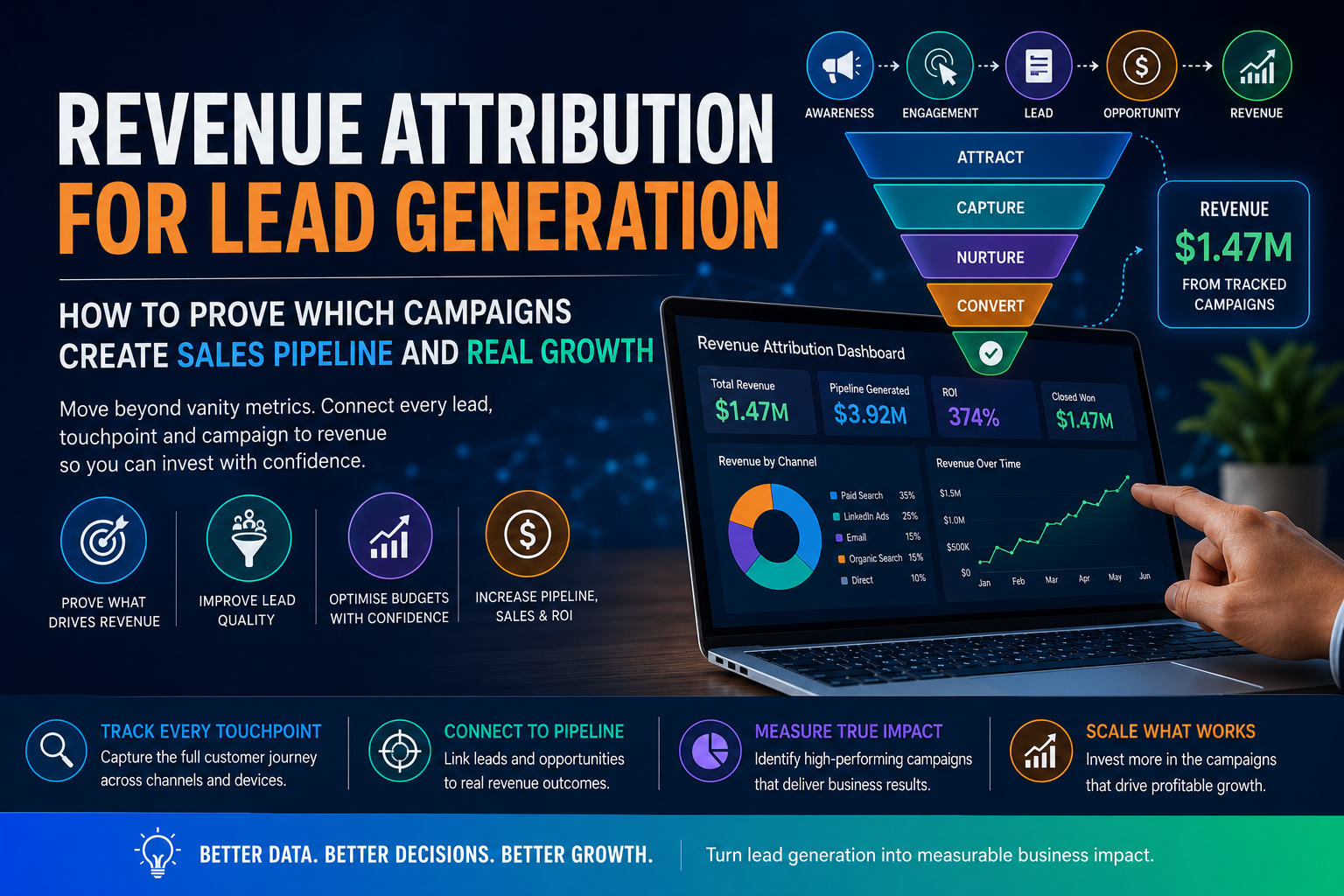
Implement attribution tracking connecting incentive participation to revenue outcomes. Modern marketing automation platforms enable tagging “leads via trial offer” versus “leads via ebook” through the entire customer journey. Analyse whether trial-acquired customers show higher lifetime value, lower churn, faster ramp-to-productivity, or better product adoption compared to ebook-acquired customers. These insights guide budget allocation toward highest-ROI incentives.
Cost per qualified lead (CPQL) represents the ultimate incentive efficiency metric. If offering a $200-value consultation session attracts three leads converting to one customer versus offering a $50-value ebook attracting twelve leads converting to one customer, the consultation approach yields lower cost per acquired customer despite lower lead volume. This analysis prevents defaulting toward high-volume incentives that appear productive on surface metrics whilst delivering poor bottom-line efficiency.
Balancing Lead Quantity with Qualification Levels
The fundamental tension in incentive strategy: broader, more accessible incentives generate higher volume but lower average quality, whilst restrictive, value-intensive incentives generate lower volume but higher average quality. There exists no universal correct balance—it depends entirely on your business model, sales team capacity, and growth stage.
High-growth companies with large sales teams should skew toward volume-generating incentives—broad ebooks, wide-reaching assessment tools, high-frequency webinars. This approach fills the funnel with leads supporting large team productivity. Converting 2% of 1,000 leads yields 20 customers; converting 10% of 100 leads also yields 20 customers, but the first scenario requires substantially more sales capacity.
Conversely, organisations with limited sales resources should bias toward quality-generating incentives—consultation appointments, assessment tools filtered to ideal customer profile, exclusive webinars. Converting 20% of 50 high-intent leads yields 10 customers through minimal sales effort; converting 2% of 1,000 leads yields 20 customers but requires five times sales effort. Lower volume matching capacity proves more efficient.
Implement tiered incentive strategies satisfying both metrics. Offer an easily-accessed “Lead Generation Quick Checklist” driving substantial volume for top-of-funnel expansion, paired with a “Lead Generation Customised Assessment” requiring more engagement but concentrating effort on more qualified prospects. This tiered approach captures volume advantages of broad incentives whilst capturing quality advantages of restrictive incentives.
Ultimately, the best incentive strategy connects directly to your specific intent-based lead generation business model, reflecting the resources you can deploy, the conversion rates you observe, and the customer lifetime value justifying acquisition investment. Regularly measure, test, and optimise incentives treating them as measurable investments in lead quality and conversion efficiency rather than static programme elements.
Advanced Lead Qualification and Scoring Methodologies
Lead Qualification Process and Scoring Systems
Establishing effective lead qualification criteria represents the foundational step that separates high-performing organisations from those struggling with lead management inefficiency. The qualification process begins with a critical alignment conversation between your marketing and sales teams—a discussion that often reveals surprising gaps in how each group defines a “qualified lead.”
In practical terms, lead qualification criteria should encompass several dimensions. Firmographic criteria address the organisational characteristics: company size, industry, location, revenue range, and technology infrastructure. For instance, a B2B SaaS platform targeting enterprise clients might qualify only leads from companies with 500+ employees in specific industries. Demographic criteria focus on individual characteristics: job title, seniority level, department, and decision-making authority. A financial services firm might prioritise CFOs and finance directors over junior accounting staff. Behavioural criteria examine intent signals: website page visits, content downloads, email engagement frequency, and demo request timing. These behavioural indicators often prove more predictive of conversion than static firmographic data alone.
Lead scoring models operationalise these criteria into quantifiable systems. Explicit scoring, sometimes called demographic scoring, assigns predetermined point values to specific attributes. A prospect from your target industry receives 10 points; a C-suite executive receives 15 points; visiting your pricing page receives 20 points. These explicit values are transparent, rules-based, and easily understood across your organisation. Implicit scoring, conversely, leverages machine learning algorithms to identify patterns in your historical data about which types of prospects convert to customers. Rather than assigning arbitrary point values, implicit models learn that prospects exhibiting combinations of behaviours—such as visiting case studies, opening three consecutive emails, and downloading a product comparison guide—convert at significantly higher rates than those displaying other behaviour patterns.
The most sophisticated lead generation strategies employed by forward-thinking Singapore-based enterprises combine both approaches. Explicit scoring establishes a minimum qualification threshold ensuring basic alignment with your ideal customer profile. Implicit scoring, powered by platforms offering machine learning capabilities, refines that initial assessment by identifying which prospects within your qualification criteria exhibit the highest propensity to convert. This hybrid methodology dramatically improves lead efficiency.
Implementation requires careful technical and organisational design. Your lead scoring methodology must live within your customer relationship management system and marketing automation platform—tools like HubSpot, Marketo, or Salesforce that track both implicit actions (email opens, website visits, content downloads) and explicit attributes (company size, industry, job title). The system should automatically calculate scores as prospects interact with your digital properties, feeding this intelligence to your sales team in real time.
Engagement scoring deserves particular attention within your scoring methodology. Beyond firmographic match, engagement scoring tracks the intensity and recency of prospect interaction with your brand. A prospect who downloaded an ebook two months ago scores differently from one who downloaded the same ebook yesterday and subsequently opened your follow-up email three times. Engagement scoring systems typically weight recent activity more heavily than historical activity, recognising that a prospect actively researching solutions today represents higher intent than one whose interest has cooled. Behaviour tracking across multiple touchpoints—email interactions, website visits, form submissions, video views, webinar attendance, and chatbot conversations—creates a comprehensive engagement picture.
The sales-ready lead handoff process ensures that high-scoring prospects receive immediate attention from sales professionals. Many organisations stumble here, failing to operationalise their scoring systems effectively. A prospect might achieve a qualifying score, but if your sales team doesn’t receive alerts, contextual information, and recommended next steps, the qualification system provides limited value. Implement automated alerts that notify sales immediately when a lead reaches a specified threshold score. These alerts should include the prospect’s company information, relevant engagement history, current score breakdown, and recommended next actions. Some advanced organisations use scoring systems to automatically route leads to specific sales representatives based on territory, industry expertise, or account type.
Feedback loops between sales and marketing teams drive continuous improvement in your scoring models. Establish a monthly review cadence where sales managers share feedback on lead quality: Which leads converted? Which leads looked promising but never closed? Which leads were poorly qualified and wasted sales time? This intelligence allows your marketing team to refine scoring parameters. Perhaps you’ve discovered that prospects from specific industries convert at twice the rate of others, suggesting you should increase scoring weights for those industries. Maybe email engagement predicts conversion much more reliably than website visits, indicating you should rebalance your engagement scoring algorithm. Without structured feedback mechanisms, your scoring models become static, growing increasingly misaligned with your actual customer acquisition patterns over time.
Continuous refinement of scoring models acknowledges that market conditions, buyer behaviour, and your own organisational capabilities evolve continuously. Quarterly reviews of your scoring methodology examine whether your historical models still accurately predict conversion. New data might reveal that your ideal customer profile has shifted—perhaps you’re converting customers in adjacent industries you hadn’t previously targeted, or your customer base is skewing toward mid-market rather than enterprise. Annually, conduct comprehensive scoring audits examining the correlation between lead scores and actual conversion rates. Calculate conversion rates for leads in each scoring band (0-20 points, 21-40 points, 41-60 points, etc.) and verify that higher-scoring leads actually convert at higher rates. If this relationship breaks down, your model requires recalibration.
—
Types of Lead Generation Methods and Channel Diversification
Successful lead generation strategies recognise that prospects exist in different stages of awareness and reach those prospects through channels aligned with their behaviours, preferences, and intent levels. Channel diversification protects your business from dependence on any single lead source while maximising overall lead volume and quality.
Inbound marketing approaches operate on the principle that valuable content and optimised digital properties attract prospects organically without paid promotion. Blog content strategy targeting high-intent keywords—such as “intent-based lead generation,” “generate leads online,” or “lead qualification process”—attracts prospects actively searching for solutions. When a prospect searches “how to improve lead quality,” a comprehensive blog article addressing that question positions your organisation as a knowledgeable resource, driving organic traffic and establishing credibility before any sales interaction occurs.
This inbound foundation extends beyond blog content to encompass comprehensive content strategies including whitepapers, case studies, industry reports, webinars, and assessment tools. Each content piece attracts prospects exhibiting specific intent signals. Someone downloading a detailed whitepaper on lead scoring methodologies demonstrates deeper intent than someone merely visiting your homepage. Someone registering for an advanced webinar on artificial intelligence in lead generation shows higher sophistication and likely maturity in their buying journey than someone consuming introductory blog content.
Search engine optimisation (SEO) amplifies inbound lead generation by ensuring your content reaches prospects through organic search. Rather than paying for every click, SEO investments compound over time, driving increasing organic traffic as your content authority and domain strength grow. For lead generation specifically, SEO focuses on keywords indicating buyer intent—phrases like “best lead generation software,” “how to calculate customer acquisition cost,” or “PDPA compliance for lead forms.” These high-intent keywords convert at substantially higher rates than informational keywords.
Outbound marketing approaches complement inbound strategies by proactively reaching prospects before they initiate conversations. Personalised email outreach to prospects matching your ideal customer profile, particularly those already demonstrating intent signals (website visits, content engagement), can effectively jumpstart conversations. Rather than generic mass emails, successful outbound campaigns employ intent data to personalise messaging. An email to a prospect who visited your pricing page multiple times and downloaded your ROI calculator can reference their specific engagement: “I noticed you were exploring our pricing and calculating potential ROI—I’d love to share three specific ways companies like [their industry] have reduced their lead acquisition costs by 40%.”
Account-based marketing (ABM) represents a sophisticated outbound approach where your organisation identifies high-value target accounts and deploys personalised campaigns specifically for those accounts. Rather than generic lead generation campaigns attracting broad audiences, ABM focuses intense effort on a smaller number of strategically important prospects. A Singapore-based enterprise software company might identify 50 target accounts representing 80% of their potential five-year revenue. The marketing and sales teams then coordinate highly personalised campaigns—customised content, targeted advertising, personalised emails, and coordinated outreach—designed specifically for each target account’s needs, challenges, and decision-making structure.
Event hosting creates concentrated lead generation opportunities whilst building stronger relationships. In-person and virtual events—ranging from intimate roundtable discussions to larger conference exhibitions—gather prospects actively interested in your solutions. The lead generation value extends beyond attendee contact information; events provide opportunities for deeper conversations, demonstration interactions, and relationship initiation. Post-event follow-up sequences, when executed effectively, convert event attendees at significantly higher rates than cold prospects because the relationship foundation has already been established.
Webinar and virtual event strategies have matured substantially, particularly within the Singapore market where geographic distribution and digital adoption drive preference for virtual engagement. Webinars function simultaneously as content assets (attracting prospects through promotion), qualification mechanisms (filtering by registration and attendance), and demonstration opportunities (showcasing your solution in action). The most effective webinar strategies employ careful audience targeting and promotion, ensuring that registered attendees represent qualified prospects rather than random interested individuals. A Singapore financial services firm hosting a webinar on “PDPA-Compliant Lead Generation” might promote registration specifically to marketing leaders at finance sector companies, ensuring attendees represent genuinely qualified prospects rather than unrelated audiences.
Referral and partnership-based lead generation leverages existing relationships to access new prospects. Your current customers, industry partners, technology vendors, and complementary service providers all possess networks of prospects potentially representing qualified leads for your solutions. Structured referral programmes—offering incentives for customer-generated referrals—can dramatically expand lead volume. Partnership arrangements with vendors serving your target customers create mutual lead generation benefits. A lead generation platform might partner with customer relationship management software providers to cross-refer customers, creating channels where each partner’s customer base becomes aware of the other’s offerings.
Community and forum engagement tactics build lead generation opportunities through authentic participation in industry-specific communities. Whether on LinkedIn, industry forums, Slack communities, or Facebook groups popular in Singapore’s business communities, consistent thoughtful participation—answering questions, sharing insights, providing value without immediate selling—establishes authority whilst creating opportunities to identify prospects with specific challenges or needs. A prospect asking about lead qualification challenges in an online community represents an active-intent prospect ready for conversation.
Hybrid approaches combining multiple methods create compound effects. An integrated lead generation programme might employ SEO to drive organic blog traffic (inbound), email campaigns to existing prospects (outbound), webinars to attract and qualify engaged audiences, referral programmes to leverage customer networks, and partnership channels to access new customer bases. When coordinated effectively, these channels create multiple pathways for prospects to discover your organisation whilst allowing you to reach prospects regardless of their preferred engagement channel.
Effective channel diversification within Singapore’s diverse business landscape acknowledges that different industries, company sizes, and prospect types exhibit distinct channel preferences. Enterprise procurement teams might prefer LinkedIn and professional conference interactions; mid-market growth companies might respond more readily to webinars and personalised email; startup founders might engage more readily through online communities and content. Your lead generation strategy should span channels aligned with your target market’s behaviours and preferences, ensuring no qualified prospect remains unreachable simply because you focused narrowly on a single channel.
—
Benefits of Lead Generation Techniques and Business Impact
Understanding the quantifiable business impact of lead generation techniques transforms how organisations invest in and optimise these capabilities. Lead generation functions not as a marketing cost centre but as a revenue-generation investment with clearly measurable returns.
Quantifiable ROI from intent-based lead generation begins with fundamental mathematics. If your organisation generates 500 leads monthly through intent-based strategies and converts 15% to customers (75 customers monthly), at an average contract value of SGD $5,000, you’re generating SGD $375,000 monthly revenue from lead generation. Subtract the costs of your marketing team, lead generation software (approximately SGD $2,000-5,000 monthly for quality platforms), and advertising spend (perhaps SGD $3,000-10,000 monthly), and you can calculate a precise return on investment. Many organisations discover their lead generation ROI exceeds 300-500%, making lead generation among the highest-returning marketing investments available.
Intent-based approaches specifically enhance ROI relative to traditional methods by improving conversion efficiency. Where traditional form-based approaches convert 5-8% of captured leads to customers, intent-based strategies often achieve 12-18% conversion rates because captured prospects already demonstrate buying intent. This conversion improvement directly multiplies ROI—doubling conversion rates doubles revenue from the same lead volume.
Lead-to-customer conversion improvements represent perhaps the most direct business impact. Every percentage-point improvement in lead-to-customer conversion rate translates directly to revenue. A company converting 100 leads monthly to 10 customers performs equivalently to converting 200 leads at a 5% conversion rate—but the organisation with 10% conversion achieves superior economics because it requires half the lead generation investment to achieve identical revenue. Intent-based approaches consistently outperform traditional methods on this metric.
Measurement requires connecting lead data to customer outcome data. Your CRM system should track every lead’s journey from initial contact through closed customer deal. Calculate monthly conversion rates (leads to customers) by lead source, lead quality tier, and time period. Observe how these conversion rates shift as you implement intent-based improvements—better lead qualification, real-time engagement, behavioural targeting. Most organisations implementing intent-based strategies report 30-50% conversion improvements over their baseline within six months.
Sales cycle acceleration through qualified leads represents a multiplied benefit. When your sales team spends time on prospects already demonstrating intent and firmographic fit, they close opportunities faster. Traditional sales cycles might span 90 days from initial contact to closed deal; intent-based approaches often compress this to 45-60 days. The acceleration multiplies financial benefits: a 45-day compression means your sales team closes deals 33% faster, accelerating cash flow and enabling quarterly revenue recognition improvements.
For a company with SGD $2 million annual sales and 90-day average sales cycles, reducing the cycle to 60 days translates to SGD $2.67 million revenue—a SGD $670,000 improvement from the same sales productivity, simply through faster deal closure. This compression emerges directly from qualifying prospects early and engaging those with genuine intent rather than pursuing suspects.
Customer acquisition cost (CAC) reduction offers another quantifiable benefit. CAC equals your total marketing and sales costs divided by the number of customers acquired. If your annual marketing and sales budget is SGD $500,000 and you acquire 100 customers annually, your CAC is SGD $5,000. Improving lead generation efficiency—generating more qualified leads with lower cost per lead, or converting a higher percentage of leads to customers—reduces this metric. An organisation reducing CAC from SGD $5,000 to SGD $3,500 through intent-based improvements simultaneously improves profitability and enables investment in additional growth.
Long-term customer lifetime value (LTV) impacts, though requiring longer measurement horizons, often exceed direct revenue impacts. Prospects engaged through intent-based approaches—having been reached at moments of genuine business need with relevant, personalised messages—often develop stronger product affinity and longer customer relationships compared to prospects acquired through generic lead generation. An organisation improving average customer retention from 80% to 85% through higher-quality lead acquisition simultaneously increases LTV by approximately 8-10%, compounding across multiple years of customer relationships.
Competitive advantages in Singapore’s dynamic markets emerge from superior lead generation capabilities. Singapore’s business environment features intense competition across sectors from fintech to logistics technology to professional services. Organisations effectively capturing intent-based leads before competitors gain significant advantages: they convert prospects faster, invest lower CAC, and acquire customers with higher lifetime value. This virtuous cycle creates widening gaps between organisations with sophisticated lead generation capabilities and those relying on traditional methods.
In Singapore’s particularly competitive property technology, fintech, and B2B software sectors, superior lead generation often determines whether startups scale successfully or struggle to gain traction. Companies effectively identifying and engaging intent-based leads achieve growth trajectories that separate them from competitors within 12-18 months.
Organisational alignment benefits extend beyond revenue metrics. When marketing and sales teams align on lead definition, qualification criteria, and handoff processes—as required for effective intent-based lead generation—the entire organisation functions more efficiently. Sales teams spend less time on unqualified prospects and pursue higher-probability opportunities. Marketing teams receive clear feedback on what defines qualified leads, enabling continuous optimisation. This cross-functional alignment often improves organisational culture, reduces friction between teams, and focuses collective effort on shared revenue objectives.
Organisations implementing comprehensive intent-based lead generation strategies typically report that the process itself—defining buyer personas precisely, establishing lead qualification criteria, implementing lead scoring, creating feedback loops—proved as valuable as the resulting lead quality improvements. The strategic clarity gained through this process often reveals broader market opportunities, customer acquisition options, and business model optimisations previously invisible.
—
Summary and Key Takeaways
Intent-based lead generation represents a fundamental paradigm shift in how modern organisations identify and engage with potential customers. By focusing on capturing prospects at the moment of highest intent—rather than passively waiting for them to complete a form—businesses can dramatically improve conversion rates, compress sales cycles, and establish stronger, more authentic customer relationships from the outset.
The Core Competitive Advantage of Intent Recognition
The core advantage of intent-based strategies lies in their sophisticated ability to recognise buying signals across multiple digital touchpoints simultaneously. Whether through AI-powered predictive analytics, real-time chat engagement, content consumption patterns, search query analysis, or paid advertising behaviour, intent-based approaches enable your team to identify and classify qualified leads before they’ve even consciously entered your traditional sales funnel. This proactive engagement fundamentally transforms the prospect experience—instead of feeling like they’re being pursued, prospects encounter your organisation precisely when they’re seeking solutions, creating a sense of perfect timing and relevance [Source: Intent data analytics research, 2024].
This strategic positioning gives your sales team a significant competitive advantage. Rather than competing for attention among prospects in early awareness stages, your team engages with prospects who have already demonstrated genuine buying signals. Sales representatives can focus their time on high-probability opportunities rather than qualifying cold leads, increasing their productivity and improving close rates substantially. In competitive markets like Singapore’s fintech and software sectors, this advantage translates directly to faster growth and stronger market position.
Implementation Framework: Technology, Strategy, and Compliance
To successfully implement intent-based lead generation, organisations must establish a robust, integrated framework that harmonises three critical dimensions: technology, strategy, and privacy compliance. From a technology perspective, you need to select and deploy lead generation tools and software that integrate seamlessly with your existing systems—your CRM, marketing automation platform, analytics infrastructure, and customer data platforms. These systems must communicate efficiently, sharing intent signals, lead scoring updates, and engagement data in real time.
Strategically, you must design forms and landing pages that minimise friction whilst respecting privacy regulations like Singapore’s Personal Data Protection Act (PDPA). This means moving beyond the traditional assumption that more form fields capture more valuable information. Instead, progressive profiling approaches collect data incrementally across multiple touchpoints, creating a better user experience whilst still gathering the information your sales team needs for effective qualification. Your content strategy must be deliberately aligned with various buyer intents across different journey stages—awareness content for prospects just beginning their research, consideration content for those evaluating options, and decision-focused content for prospects nearing purchase decisions.
The Technology Convergence Enabling Scale
The convergence of artificial intelligence, real-time messaging capabilities, and sophisticated lead scoring methodologies has democratised intent-based lead generation, making these powerful strategies more accessible and cost-effective than ever before. Machine learning algorithms can now analyse thousands of behavioural signals—page visits, email engagement, content downloads, search queries, social media interactions—and identify patterns that human analysts would never detect. These systems continuously learn and refine their understanding of which signals correlate most strongly with eventual purchase, becoming increasingly accurate over time.
Whether you’re operating in B2B markets targeting enterprise organisations or B2C spaces engaging individual consumers, the foundational principles remain remarkably consistent across contexts: identify intent signals early in the buyer journey, engage authentically and responsively in real time, qualify leads rigorously according to clearly defined criteria, and continuously optimise your approach based on data-driven insights and feedback loops. This consistency means that best practices discovered in one industry or market often translate effectively to other sectors, allowing you to learn from leading practitioners and implement proven methodologies rapidly.
Dynamic Evolution and Continuous Optimisation
Your lead generation strategy should be treated as a living system that evolves alongside your market environment, customer behaviour patterns, and available technology capabilities. Static strategies become outdated as buyer preferences shift, competitive dynamics change, and new engagement channels emerge. Regular A/B testing—whether of form field configurations, landing page layouts, email subject lines, or call-to-action phrasing—ensures you remain responsive to what actually works with your specific audience rather than relying on assumptions or generic best practices.
Privacy-compliant data collection practices must be baked into your approach from the beginning, not added afterwards as compliance requirements emerge. This means implementing proper consent management, transparent data usage policies, and robust security measures that protect prospect information. When executed well, privacy-first approaches actually build trust and can improve your lead quality—prospects who understand exactly how their data will be used and trust your organisation with their information tend to be more engaged and valuable than those who provide information reluctantly.
Close collaboration between marketing and sales teams is absolutely essential to ongoing success. Your marketing team needs continuous feedback on which leads convert successfully, what characteristics define your best customers, and where qualification efforts fell short. Your sales team needs insights into which content resonates most strongly, which engagement channels produce the highest-intent prospects, and how marketing can better support their efforts. This bidirectional communication creates feedback loops that drive continuous improvement across your entire lead generation system.
Positioning for Tomorrow’s Competitive Environment
By embracing intent-based lead generation methodologies today, you position your organisation to capture tomorrow’s customers with substantially greater efficiency and effectiveness than competitors still relying on traditional form-based approaches. The organisations that will dominate their markets over the next 3-5 years will be those that mastered intent recognition, real-time engagement, and continuous optimisation during this current transition period. Those that delay adoption risk increasingly falling behind as leading competitors establish stronger market positions, build stronger customer relationships, and achieve superior unit economics through lower customer acquisition costs and faster sales cycles.
The investment required to implement intent-based lead generation—in technology selection, process redesign, team training, and continuous optimisation—pays dividends that compound over time. Each quarter, your systems become more sophisticated, your teams more skilled, your data more valuable, and your competitive moat stronger. The time to begin this transformation is now.
—