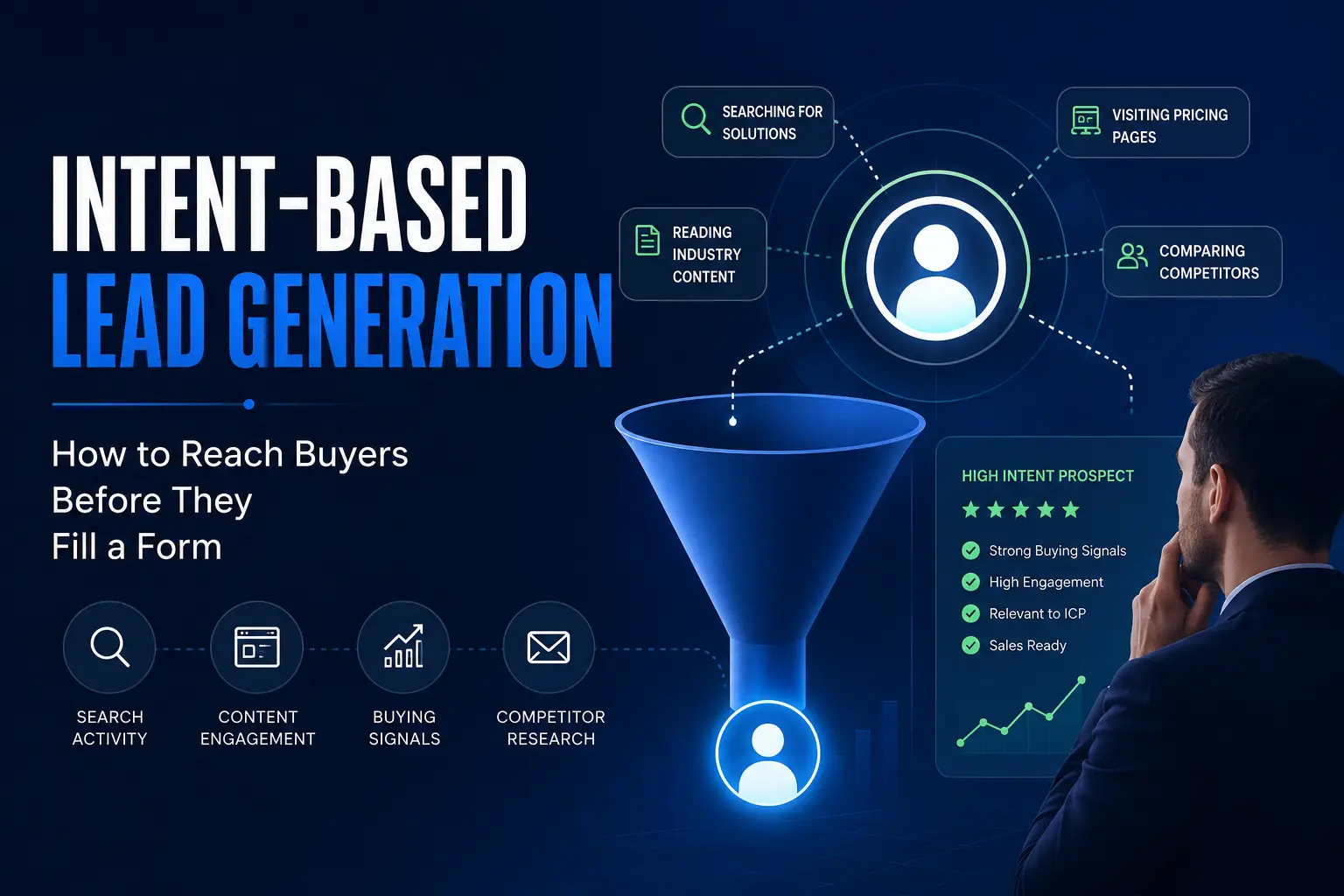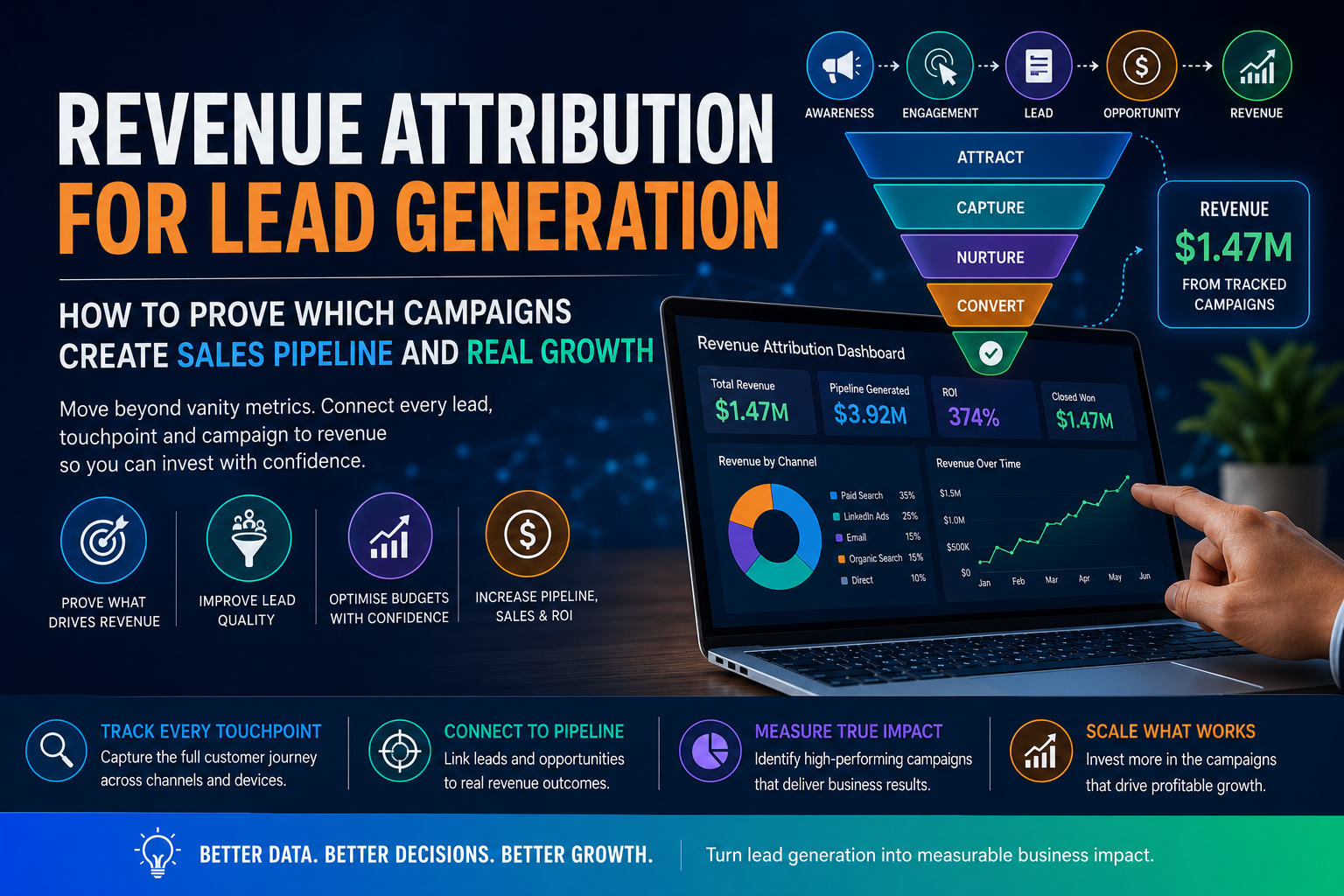
B2B lead scoring is no longer just a marketing exercise—it is a data-driven revenue prediction system. Modern lead generation agencies use advanced scoring models to identify which leads are most likely to convert into paying customers.
Instead of treating all leads equally, businesses can prioritize high-value prospects using behavioral data, engagement signals, and firmographic information. This approach helps sales teams focus on leads that actually drive revenue.
What Is B2B Lead Scoring?
B2B lead scoring is a methodology that assigns numerical values to leads based on their likelihood to convert. These scores are calculated using both explicit data (company size, industry, job title) and implicit data (website visits, email engagement, content interaction).
Key Data Points Used in Lead Scoring
- Company size and industry relevance
- Job role and decision-making authority
- Website behavior and page visits
- Email open and click-through rates
- Content downloads and engagement level
How Lead Scoring Predicts Revenue
Advanced lead scoring models use historical conversion data to identify patterns between high-scoring leads and actual revenue generation. This allows businesses to forecast sales more accurately and allocate resources efficiently.
By analyzing past deals, companies can determine which lead attributes consistently result in closed sales and assign higher weights to those signals.
Why It Matters for Lead Generation
Without a structured lead scoring system, sales teams often waste time on low-quality leads. A predictive scoring model improves efficiency, increases conversion rates, and shortens the sales cycle.
Conclusion
B2B lead scoring transforms raw data into actionable insights. By combining analytics, behavioral tracking, and predictive modeling, businesses can focus on the right leads and maximize revenue potential.